
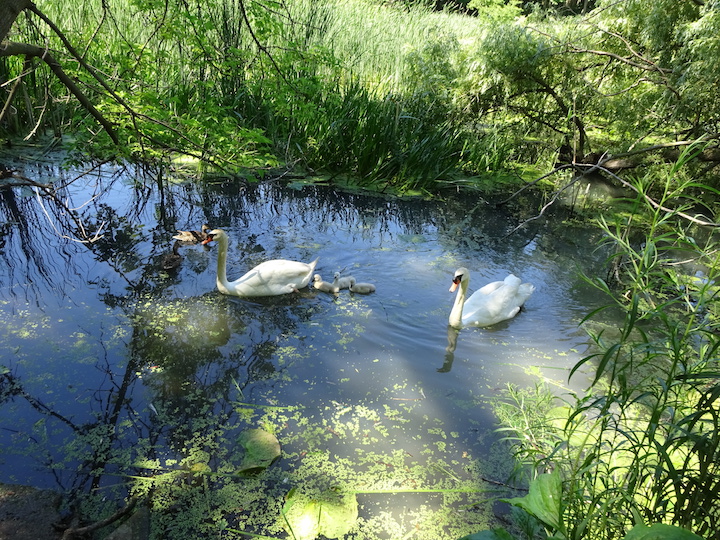
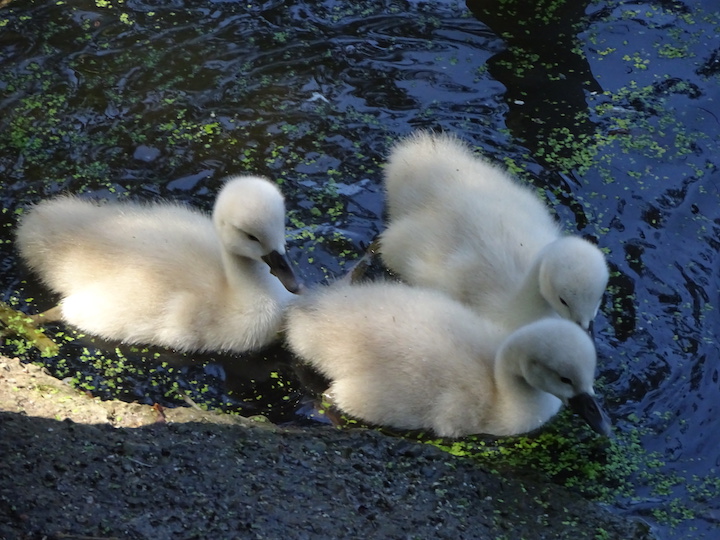
I signed up for more nature walks with Miles Hearn – this time a series of 4 July walks, the first one being in that Toronto treasure, High Park. Although spring is the best time for birds, we were fortunate to see, or in some cases hear, 22 species as identified by Miles. You can see his nature walk report for all his walks on his excellent website. The highlights for me were the black-crowned night herons in flight and the mute swans with cygnets.
When I started going on these walks in early spring, some of the wildflowers and other plants were just beginning to emerge. Now summer is hear and and it’s a whole different story. By the way if you go to High Park and walk the trails, be careful to avoid the poison ivy. There is a lot in there.
The most striking plant we saw had to have been the Michigan lilies, also known as Turk’s cap lilies.

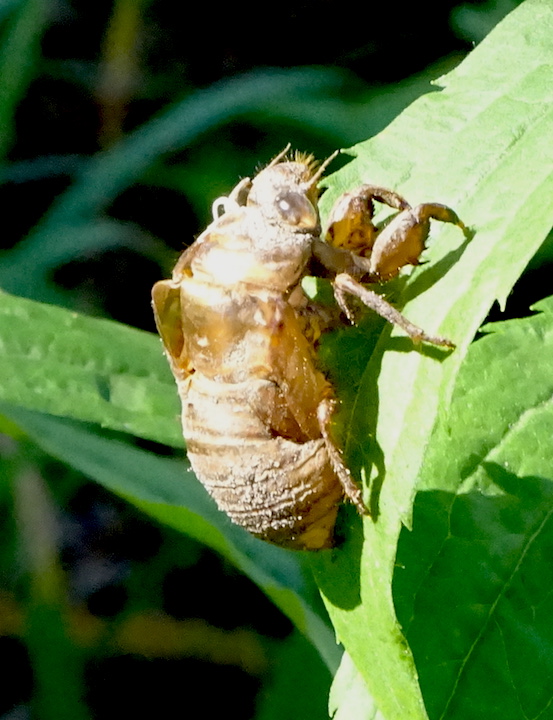
Another highlight was an insect we often hear but only occasionally see, the cicada.
I have learned a lot on these walks. When Miles identifies a plant or bird for us, I take a photo and write down the name and sometimes a note or two in my notebook. Later, I match the photos to the names, and I look up ones that particularly interest me and try to learn a little more about them. Taking the trouble to do this has really helped me get the most out of these walks.
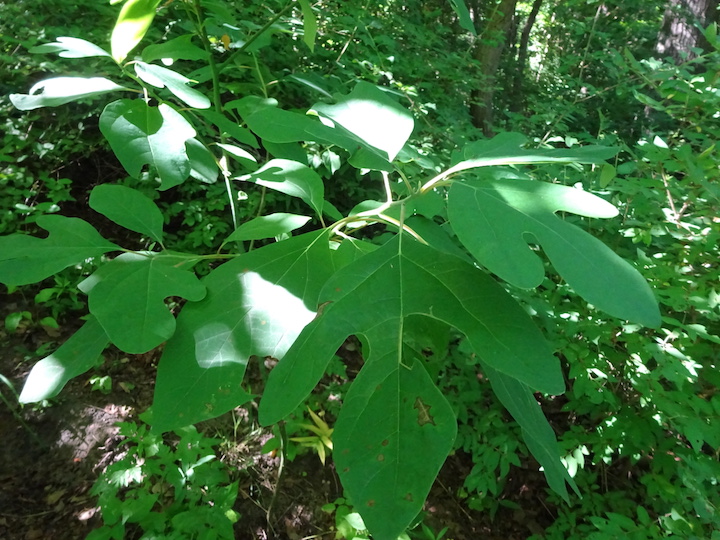
I hadn’t realized there was so much sassafras in High Park. If you break a stem on a sassafras it it remarkably aromatic. Us humans have various culinary and medicinal uses for this tree. Traditionally, it’s the main ingredient in root beer. As well, the ground leaves are dried for file powder, used for thickening and flavouring gumbo. There were some studies in the 60s suggesting sassafras was a carcinogen, and as an ingredient in food it was banned for decades.
Here are a few other highlights from today’s walk…
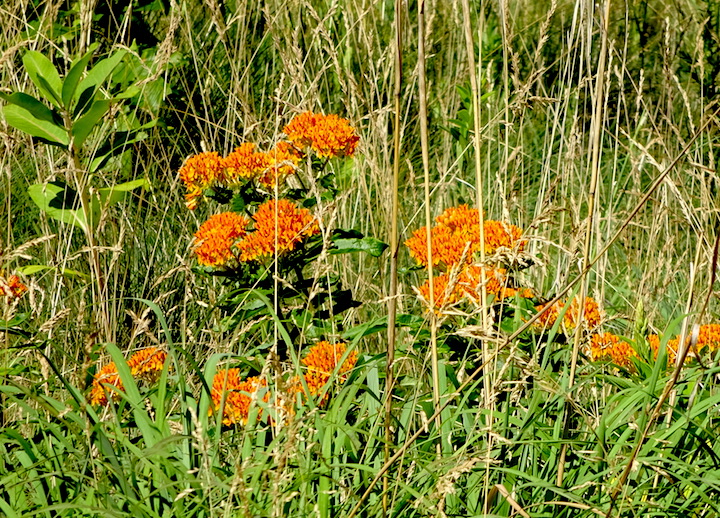
butterfly weed
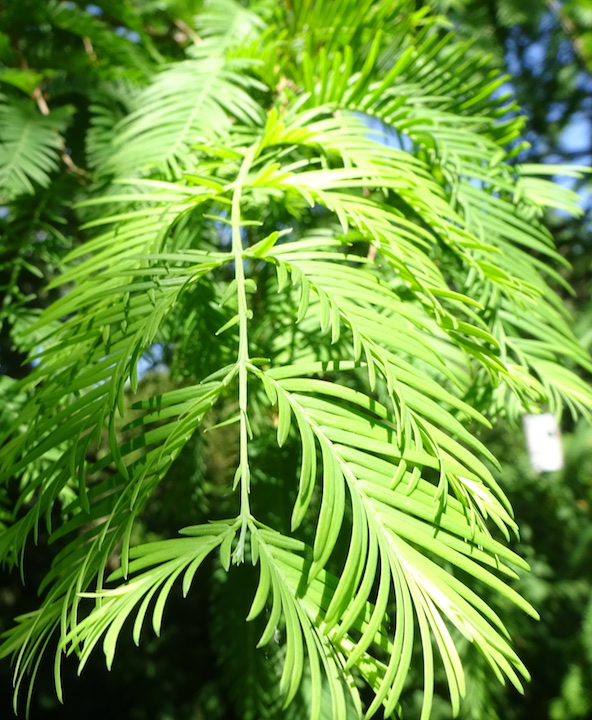
Dawn redwood
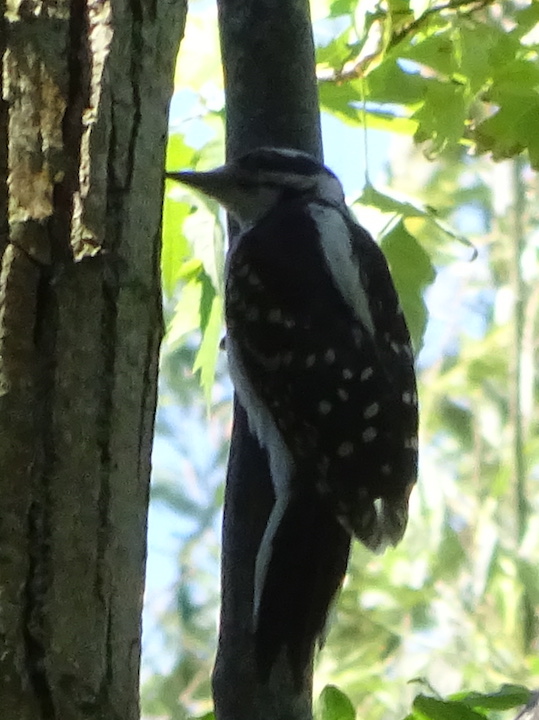
Hairy woodpecker
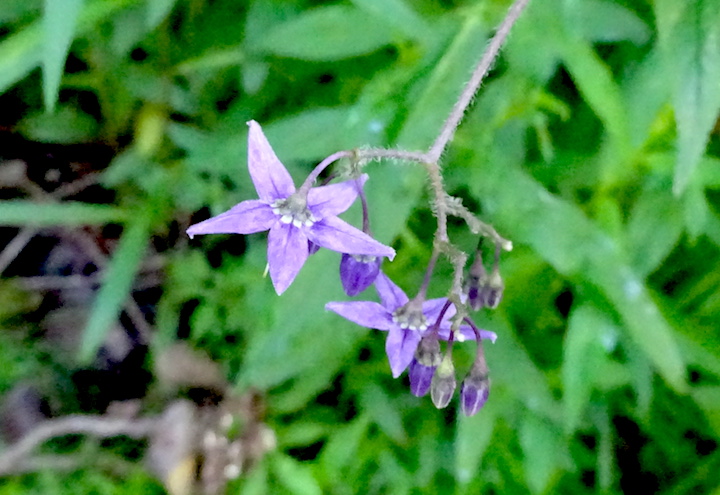
Nightshade

St. John’s wort
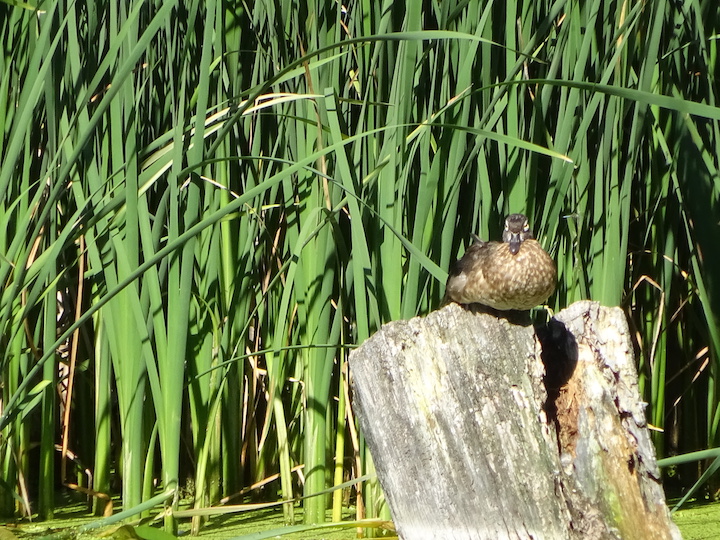
Wood duck
 27th Street