comment 0

The Secret Gardens of Milton

We trundled off to the town of Milton for the afternoon today for the Secret Gardens of Milton garden tour. This tour is organized by the Milton & District Horticultural Society and features 8 gardens. For those not from these parts, Milton is a town just NW of Toronto.

DSC05301 2.jpg

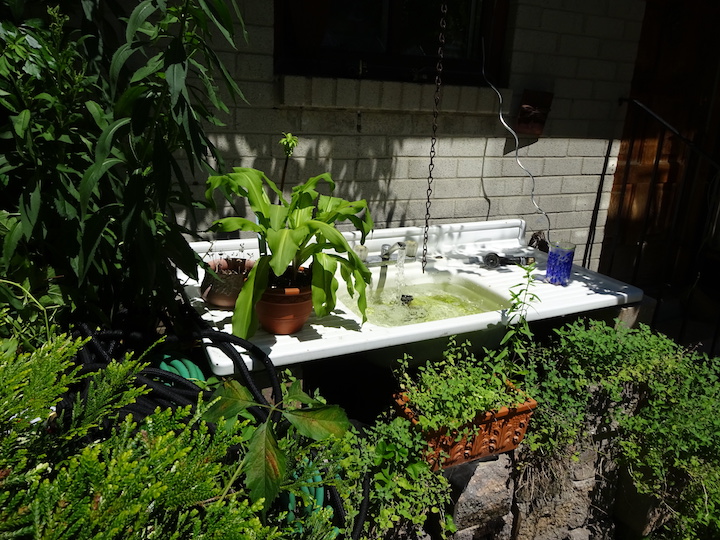
Sean James created this clever rainwater system in his Milton garden

They published a very professional booklet – each booklet was a ticket. The cost for this tour was $15 per person. It featured 5 gardens in town and 3 in the country, and there was quite a range of garden ideas at work. Some of the proceeds from this tour will go twards a “Serenity Garden” at the Milton District Hospital, as well as supporting other activities of the non-profit Horticultural Society.

Here’s a collage of photos we snapped in the gardens.


comments 2

Special Sauce

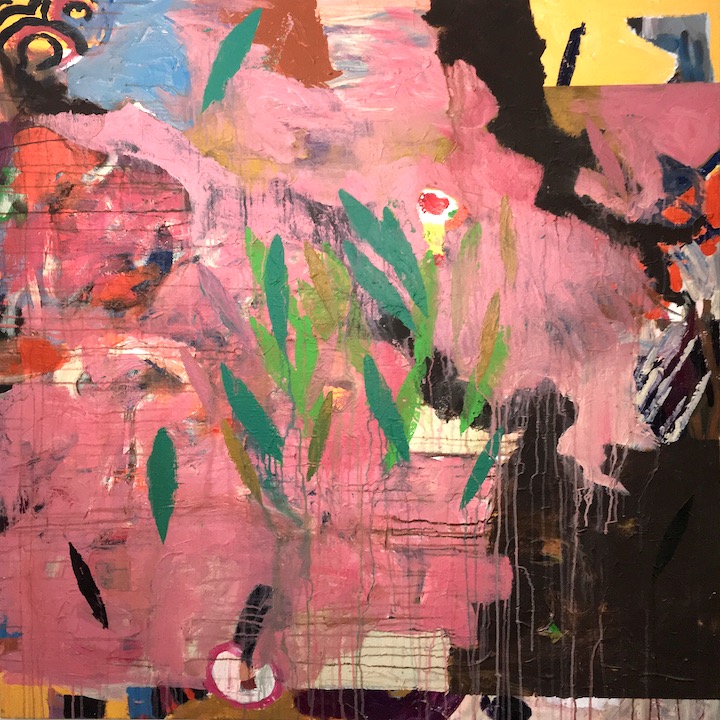
I posted a photo of this painting back in December, but I just added it to my “Paintings” page, with an improved photo, so I thought I’d feature it again here.

This painting goes back to the early 90s. It’s acrylic on canvas and I think it’s about 54 inches square. I made this painting after a couple weeks fly fishing for trout in Idaho, Wyoming and Yellowstone with my friend East Texas Red. There was a time we traveled to the mountain west pretty much each September in pursuit of trout, and usually I came back refreshed and ready to get back to work in the studio.

IMG_8816.jpg

After this particular trip I made two good-sized paintings with the intention of working on a new series. I was going to call it West. Something or another – I don’t recall just what – interrupted my continuity after two paintings and that was the end of the series. I didn’t exhibit either painting at the time, but I think it was only because my direction had shifted. Both paintings survived the various purges and iffy storage situations my work has been subjected to over the years, though, and this one hangs in our home. I’m sure any readers who have lived in the mountain west will know what the title refers to.


comment 0

The Bottle & Can Concerto

Between October 2015 and March 2017, I wrote a series of very short stories I called the Lazy Allen Stories. I posted them them to a blog site and made them available for anyone who wanted to read them, a small crowd as it turned out. Over the past year, they’ve mostly been gathering dust over there. Still, looking back at the stories as a group, I’m pleased with them. I think some are better than others, and as short as they are, a few would benefit from some tighter editing.

If you’re looking for some fiction to read, I invite you to click over and give them a taste. The site they live on is in a blog format and I posted the stories as I wrote them, so if you’re interested in reading the whole group of them, use the menu at the top. The Bottle & Can is the first of the 17 and Aftermath is the last. For those of you who take the plunge and visit the site, I hope you enjoy my little stories.

Here’s a sample of the stories – the 7th in the series – called The Bottle & Can Concerto.

From the first day I walked into the Bottle & Can I became fascinated by the rhythm of production.  I suppose all those years playing music for a living, I was extra-sensitive to the relationships sounds have with one another, but I know to most people it was just factory noise.

That first day I was taken prisoner by the rattling, banging, chugging, sucking, clanging, dripping and popping – so many rhythms and exotic melodies dancing across the expanse of the plant. These sounds, by-products of the work-a-day task of producing sugary beverages, took on their own life in my imagination.

Chook chika chooka cheeka chook chika chooka cheeka
Chookita chika chooka cheekita chookita chika chooka cheekita
Chook chika chooka cheekita chook chika chooka cheekita
Chookita chikita chooka cheeka chookita chikita chooka cheeka
Chickita chookita chookita chookita cheekita chookita chookita chook.

This became the basic background track for my years at the Bottle & Can.

Different areas of the plant added in different sound colours to the main bottling rhythm – the silo in-feed, bottle discharger, filling, cleaning & recycling, the air transfer conveyer. Add the cascades over at rotary rinse, the vacuum whir at blow-moulding, not to mention the rolling and tumbling un-scrambler and the satisfying thumpa-thump of cardboard boxes over in packaging.

At times I became lost in that symphony of sound. Most of the men and women working the line blocked it out or simply stopped hearing it after a while, but I never did. When I wasn’t shooting the shit with my buddy Staashu across from me on the line, I made up dozens of melodies in my head over the complex and incessant soda-pop rhythms.

And then, when we least expected it, the line would stop and the rhythm would disintegrate into a groan punctuated by discordant industrial spasms, and then silence. Total silence. Even those who had long ago stopped hearing the magic rhythms of the line were taken aback by the intensity of the silence when it all shut down.

A stoppage on the line meant a break for everyone, save the mechanics crawling around the system to jimmy belts into place or clear bottle-jams, but it left us restless. It just didn’t feel right not being surrounded by the pulse, the heartbeat of the operation.

Late at night, long after Ruby’s Public House shut its doors, I’d go down to the basement of my bungalow, down to the music room I created long ago out of what was once my parents’ rec room and home bar, and I’d sit amongst my accordions and concertinas and button boxes, my Vox Continental electric organ, my battered old drum kit, stacks of old tube amps, and assorted other instruments I’d accumulated back in my past life. I’d pull the big accordion onto my shoulders and I’d try to imitate the rhythms of the plant with my left hand, and when I got it right, when I could feel the pulse, I’d try to remember those melodies I made up while working the line.

I’m an old polka-man but these weren’t polkas. They weren’t pop tunes either. They weren’t jazz exactly. What the hell were they? Work songs? Factory music? I didn’t think much about it. I just tried to play them the way I imagined them.

I finally saved up a little dough and in 1980 I bought myself one of those 4-track cassette porta-studios and enough egg cartons to staple over the plywood panel walls. I started thinking of my basement retreat as the studio instead of the music room. I began recording The Bottle & Can Concerto, and until today I haven’t told a soul.

comment 0

Nature Walk in High Park

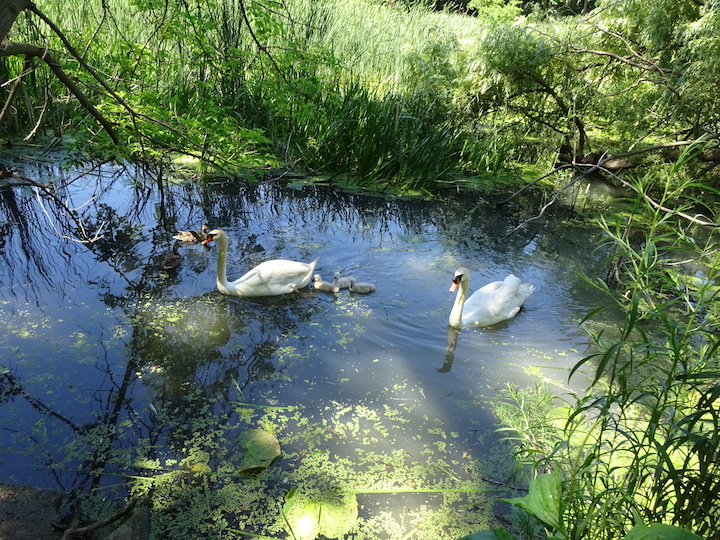
I signed up for more nature walks with Miles Hearn – this time a series of 4 July walks, the first one being in that Toronto treasure, High Park. Although spring is the best time for birds, we were fortunate to see, or in some cases hear, 22 species as identified by Miles. You can see his nature walk report for all his walks on his excellent website. The highlights for me were the black-crowned night herons in flight and the mute swans with cygnets.

swans.jpg

baby swans.jpg

When I started going on these walks in early spring, some of the wildflowers and other plants were just beginning to emerge. Now summer is hear and and it’s a whole different story. By the way if you go to High Park and walk the trails, be careful to avoid the poison ivy. There is a lot in there.

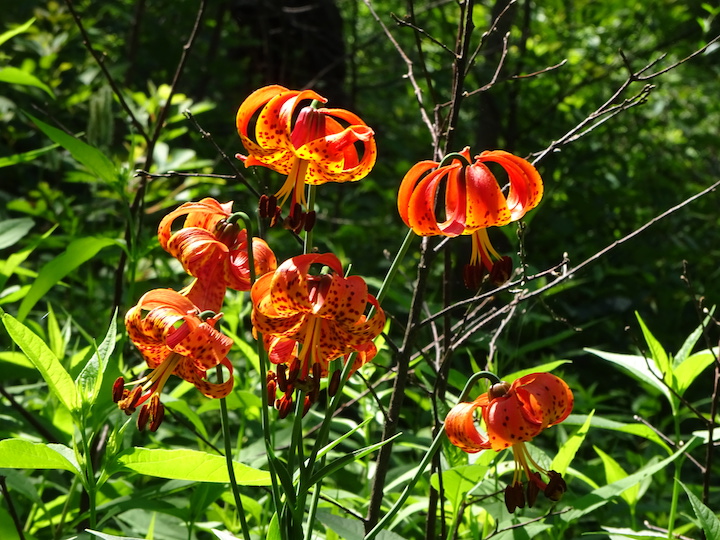
The most striking plant we saw had to have been the Michigan lilies, also known as Turk’s cap lilies.

Michigan Lily or Turks Cap Lily.jpg

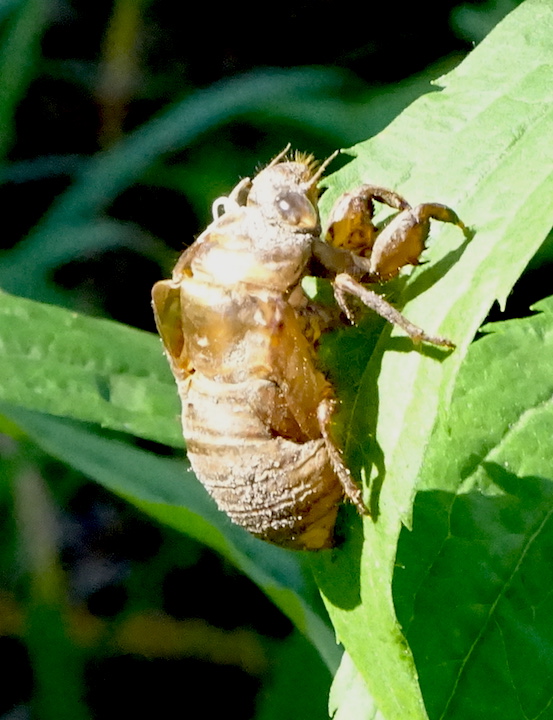
Another highlight was an insect we often hear but only occasionally see, the cicada.

cicada.jpg

I have learned a lot on these walks. When Miles identifies a plant or bird for us, I take a photo and write down the name and sometimes a note or two in my notebook. Later, I match the photos to the names, and I look up ones that particularly interest me and try to learn a little more about them. Taking the trouble to do this has really helped me get the most out of these walks.

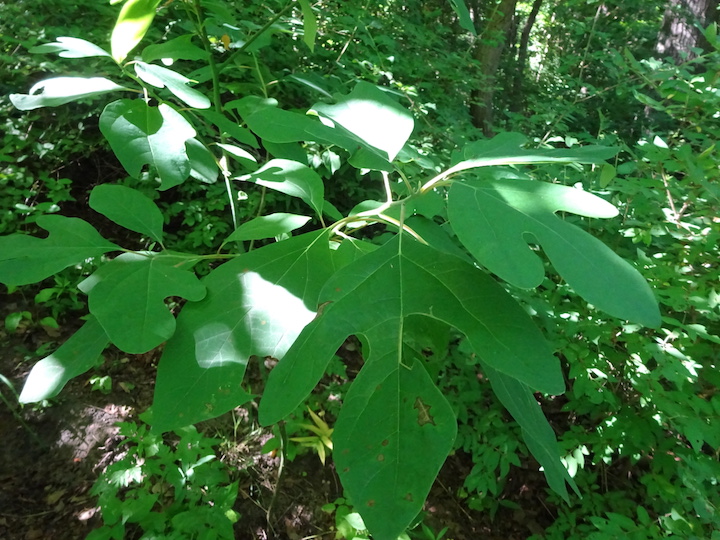
sassafrass.jpg

I hadn’t realized there was so much sassafras in High Park. If you break a stem on a sassafras it it remarkably aromatic. Us humans have various culinary and medicinal uses for this tree. Traditionally, it’s the main ingredient in root beer. As well, the ground leaves are dried for file powder, used for thickening and flavouring gumbo. There were some studies in the 60s suggesting sassafras was a carcinogen, and as an ingredient in food it was banned for decades.

Here are a few other highlights from today’s walk…

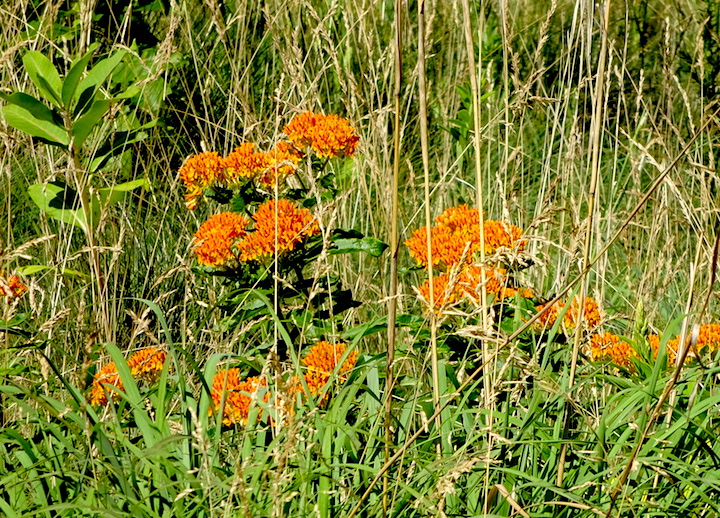
butterfly weed.jpg

butterfly weed

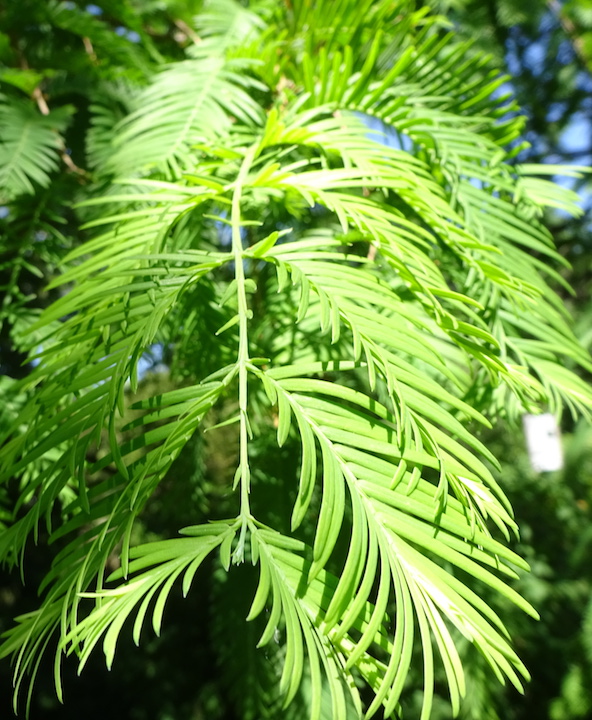
dawn redwood.jpg

Dawn redwood

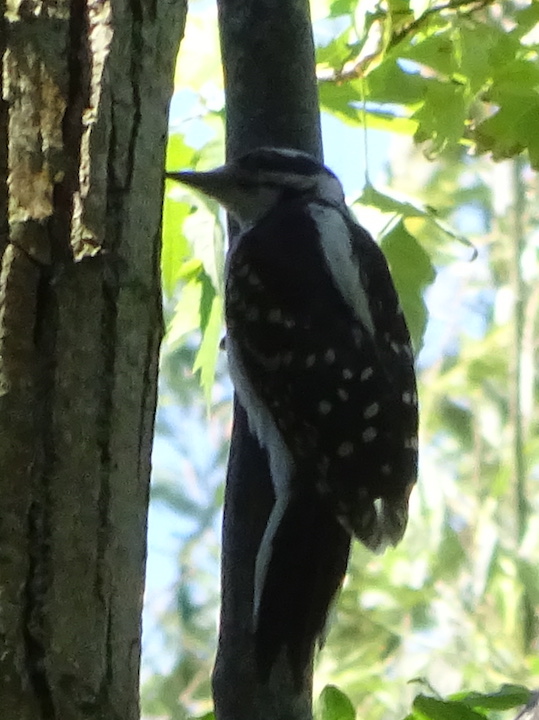
hairy woodpecker.jpg

Hairy woodpecker

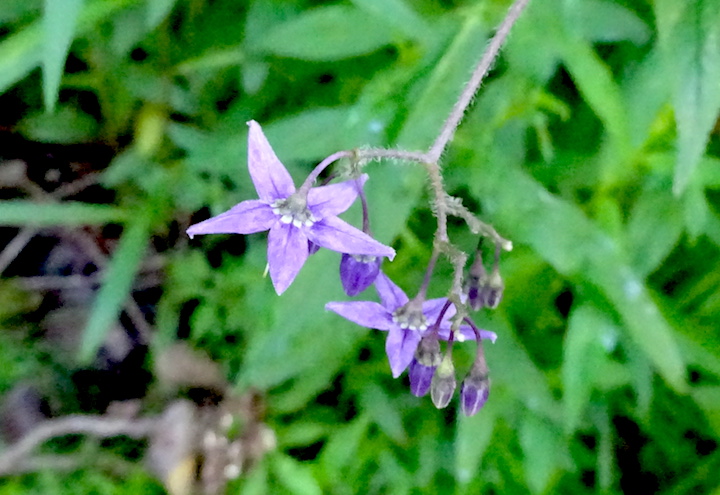
nightshade.jpg

Nightshade

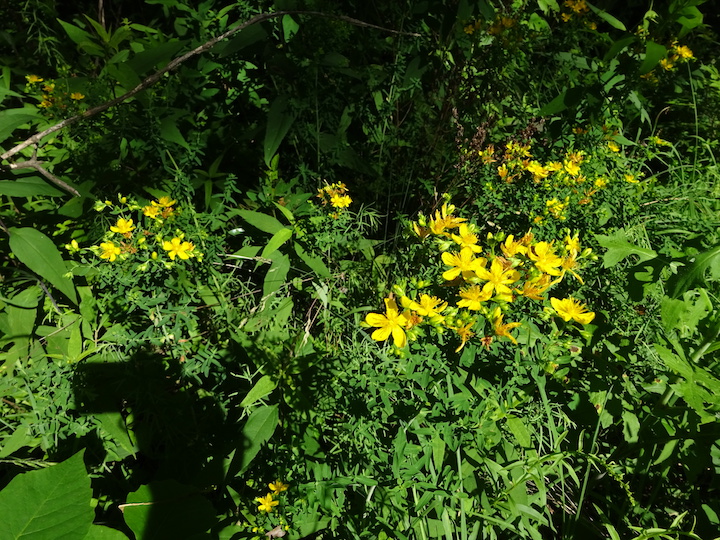
St. John's Wort.jpg

St. John’s wort

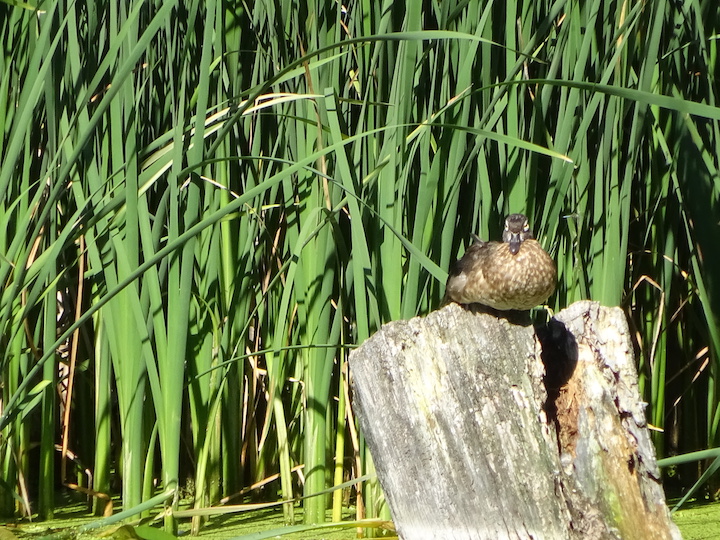
wood duck.jpg

Wood duck


comment 0

Drawing in the garden

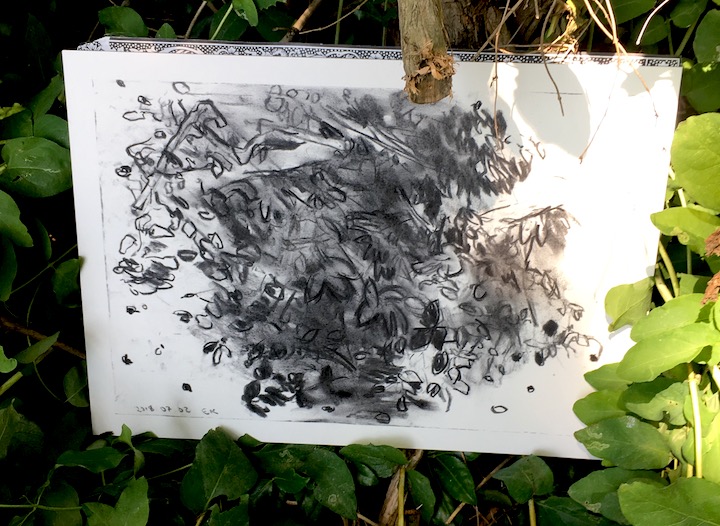
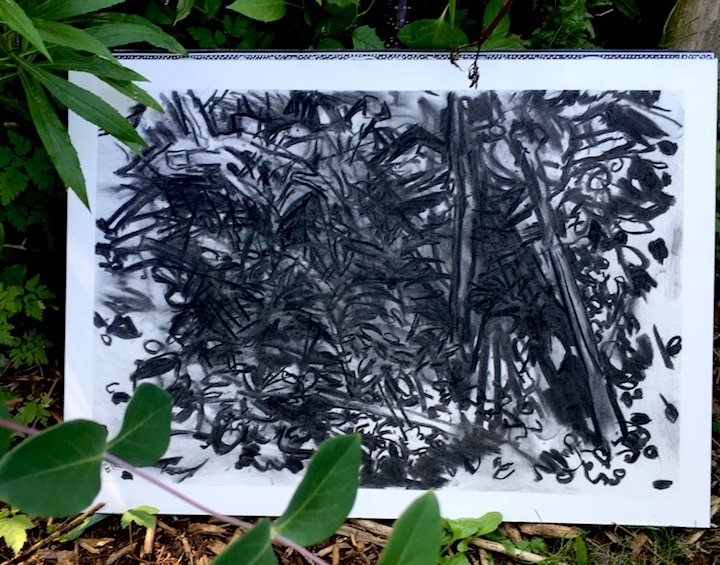
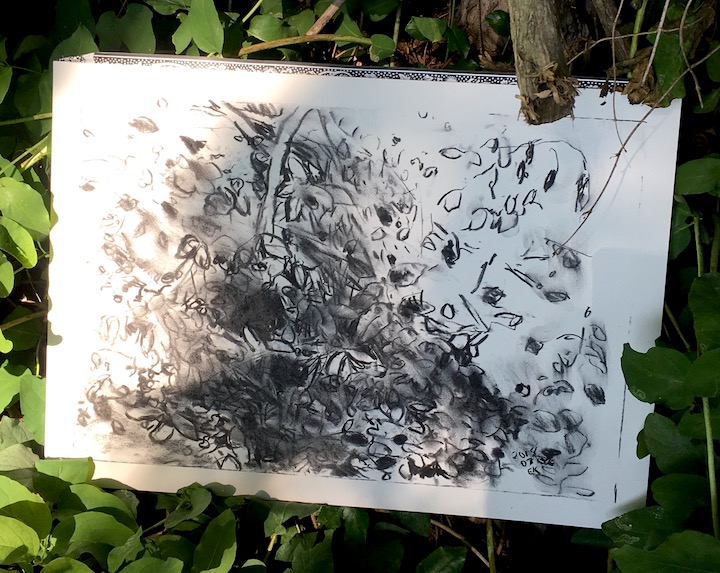
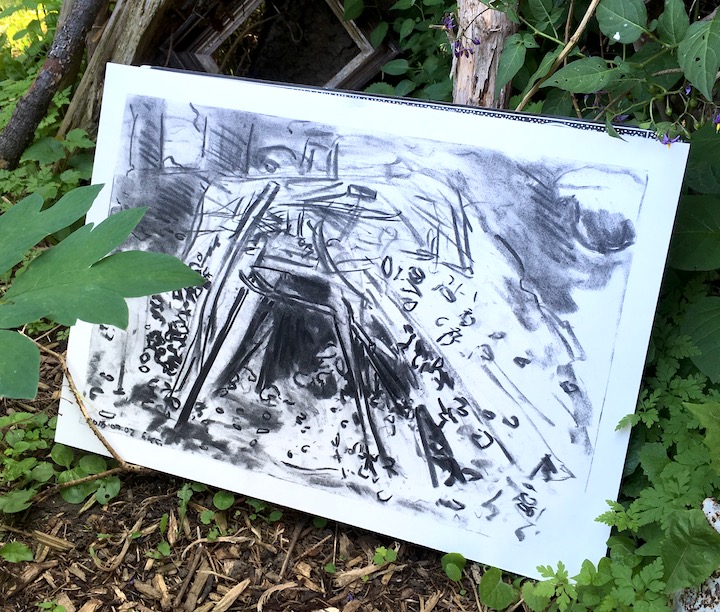
Those readers who have been to our garden (or who tune in here regularly) know we have some unusual structures out back, which we call Imagination Stations. I spent much of this morning out there with a block of paper and a big box of charcoal, drawing them.

IMG_8807.jpg

The Imagination Stations have some structure – broadly speaking they all enclose some space at the bottom – but they have been built up over time with everything from garden clippings to various objects from gates to an old broken mandolin to rotting wood and so on. The overall object has some definition but there is a great deal of randomness built in, often defying my attempts at creating order in the drawings.

IMG_8799.jpg

The most recent of these structures has the stump of an old shrub as its base. I cut down the shrub to refresh and replant the area and to make room for a modest platform. It turns out the old shrub was ok with this and has begun to grow aggressively from the stump, through the various layers of branches and whatnot piled on top.

IMG_8805.jpg

I chose my spots simply by staying out of the sun, then simply sat down and drew.

IMG_8798.jpg

comment 0

The Last Word

This small painting (about the size of a large dinner plate) was intended for my last solo show but was not exhibited. It’s acrylic on masonite and it floats off the wall a little bit. I’ll let this one speak for itself.

The Last Word.jpg

comment 0

The Kale Monster

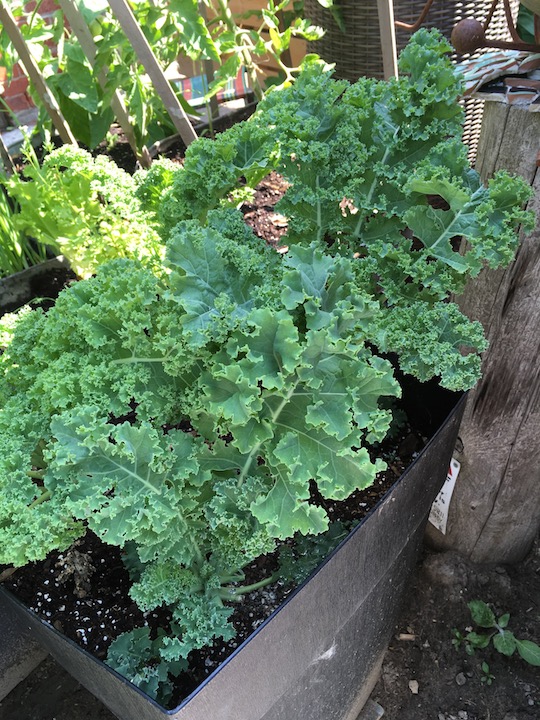
I can’t remember ever liking kale. I must have had a bad experience with it when I was a kid. My mom could cook many things tremendously well, wonderfully, beautifully well, but with some vegetables, she would cook them until she was sure they were dead, then cook them longer for good measure. Take that, vegetable! I remember I hated the asparagus she made because it was a glutinous mass of gooey vegetable matter. It wasn’t until much later that I tried asparagus at a good restaurant. I confess it came with whatever delicious treat I was really after. It was lightly sauteed with a bit of garlic and it was really fantastic. I can only imagine that my negative reaction to kale was rooted in some similar childhood experience.

In any case, for the second year in a row, I’ve grown some kale, because Tuffy P likes it a lot. The last batch grew much of the winter, through the cold and the snow. After the apocalypse all that will be left alive will be the kale and the roaches to be sure. This last winter I bought us a bamboo steamer, and when this season’s batch of kale began to mature, I steamed some up for just a couple minutes, sprinkled with just a little salt. In the steamer the leaves relaxed and turned a deep beautiful green. I tried some.

IMG_8771.jpg

As much as I hate to admit I was wrong, I’ve been wrong about kale for a really long time. It was delicious – IS delicious – really tasty with a hint of bitterness. I’ve so been missing out. I started steaming up kale for us every two or three days, simply cutting a few leaves from the plant whenever I wanted to cook some. Regardless of the frequency of my harvests, the kale plant has remained around the same size. It’s a kale miracle, or at least a kale monster. It’s got to be the fastest-growing plant in our garden, and I sure am enjoying it.


comment 0

Stormchaser’s Dream

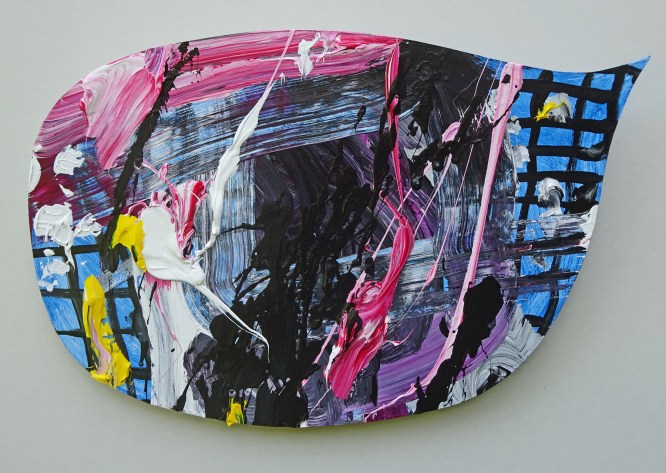
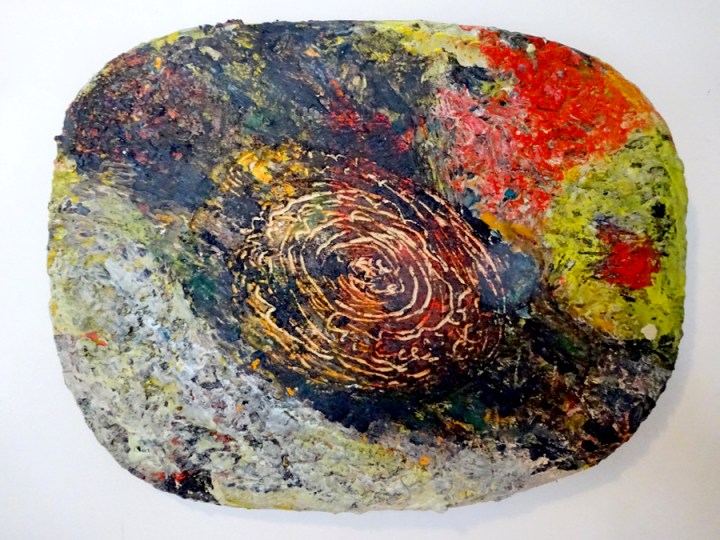
Stormchaser’s Dream is one of the group of encaustics I exhibited at my former gallery Yumart, back in 2016.

Stormchaser's Dream.jpg

Stormchaser’s Dream, 2016, encaustic on wood

Like the others, I started with a lozenge-shaped chunk of wood which I created from a plank using a jigsaw and a mini-grinder. I applied the pigmented wax with various tools and also carved back into the wax, a process which reminded me of an art activity I did as a kid with wax crayons. As the painting took shape I began thinking about those characters who drive around North America in camper vans with the goal of driving into crazy-assed storms, just because.